
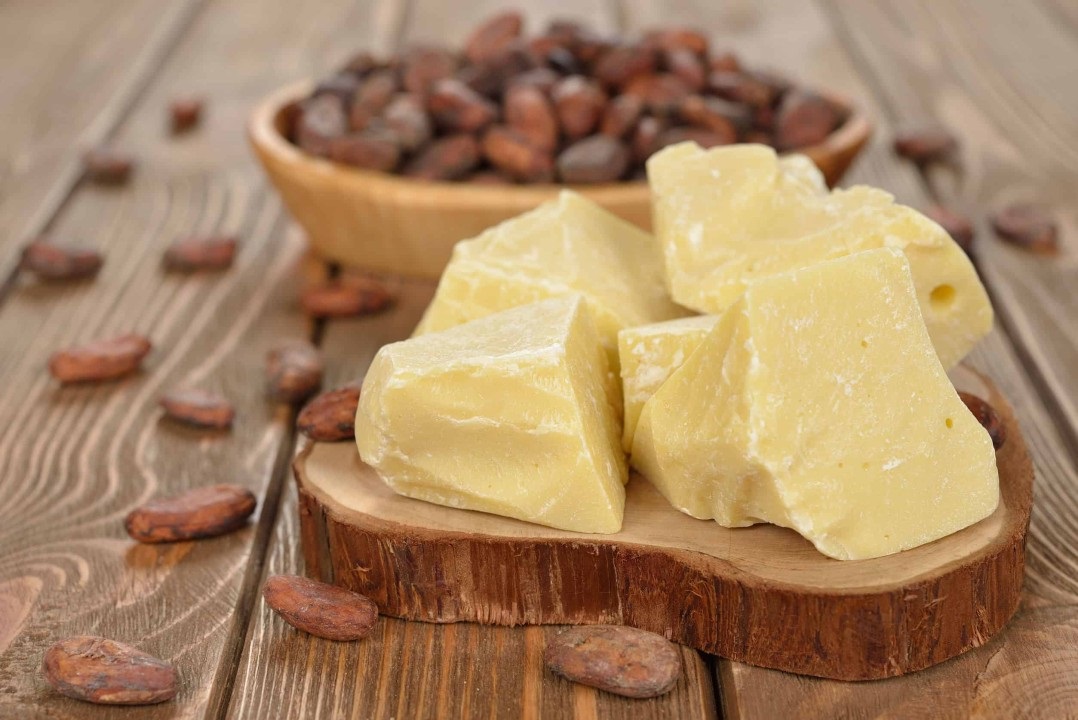



Tajikistan, a country located in Central Asia, has been making strides in the field of importing high-quality raw materials used in the confectionery, bakery, and chocolate industries from reputable global companies. This has significantly impacted the local economy and boosted the production quality of these industries.

Historically, Tajikistan has been a prominent player in the global trade market, known for its strategic location along the ancient Silk Road. This has allowed the country to establish strong trade relationships with various global companies, leading to the importation of high-quality raw materials for the confectionery, bakery, and chocolate industries.

Key figures in this field include local importers and distributors who work closely with reputable global companies to source the best raw materials for the industry. These individuals play a crucial role in ensuring the quality and authenticity of the imported materials, thus contributing to the success of the local businesses in the confectionery, bakery, and chocolate sectors.

One of the positive aspects of importing high-quality raw materials from reputable global companies is the enhancement of product quality. By sourcing top-notch ingredients from around the world, Tajikistan's confectionery, bakery, and chocolate industries are able to produce goods that meet international standards and cater to a wider consumer base. This has resulted in increased demand for Tajik products both locally and internationally, boosting the country's export revenue.

Looking ahead, the future development of Tajikistan's confectionery, bakery, and chocolate industries lies in innovation and sustainability. By investing in research and development, as well as promoting sustainable practices in sourcing raw materials, the country can enhance its competitive edge in the global market. Additionally, fostering partnerships with local farmers and producers to create a robust supply chain will reduce dependency on imports and support the growth of domestic industries.

In conclusion, Tajikistan's thriving import of high-quality raw materials for the confectionery, bakery, and chocolate industries from reputable global companies is a testament to the country's commitment to excellence and growth. By balancing the benefits of imports with the need for resilience and sustainability, Tajikistan can position itself as a key player in the global market, offering premium products that delight consumers worldwide.

shirinzaminfood

Guar Gum Powder is a versatile substance derived from the guar bean plant, primarily grown in India and Pakistan. It has been used for centuries in various industries for its thickening and stabilizing properties. The history of guar gum powder dates back to ancient times, where it was originally used as a food source by tribes in India. Over time, its applications expanded, and it became widely recognized for its ability to improve the texture and shelf life of food products.

One of the key figures associated with the popularization of guar gum powder is Dr. Jai Shanker Prasad, an Indian chemist who conducted extensive research on the substance in the 20th century. His work contributed significantly to the development of guar gum powder as a widely used ingredient in food processing, pharmaceuticals, and other industries.

The general impact of guar gum powder has been largely positive, with its use in various industries contributing to the efficiency and quality of products. In the food industry, guar gum powder is commonly used as a thickening agent in sauces, dressings, and baked goods. It is also utilized in pharmaceuticals as a binding agent in tablets and capsules.

Despite its many benefits, guar gum powder also has some negative aspects. One of the main concerns is its potential for causing digestive issues in some individuals when consumed in large quantities. Additionally, there have been some reports of allergic reactions to guar gum powder, although these cases are relatively rare.

In terms of future developments, the demand for guar gum powder is expected to continue growing as industries seek more natural and sustainable alternatives to synthetic additives. Research is ongoing to explore new applications for guar gum powder in areas such as cosmetics, textiles, and oil drilling. There is also a focus on improving the production process to increase the quality and purity of guar gum powder.

In conclusion, guar gum powder has a rich historical background and has had a significant impact on various industries. While it offers many benefits, it is essential to consider potential drawbacks and limitations. The future of guar gum powder looks promising, with ongoing research and development paving the way for new applications and advancements in its production. As a versatile and sustainable ingredient, guar gum powder is likely to continue playing a valuable role in shaping the future of various industries.

Central office:

ADDRESS: NO3 ,15 TANBURI STREET,KHUJAND,TAJIKESTAN
TEL: +992 343271661

Email: info @ rushtiduston.com