


Tajikistan, a country located in Central Asia, has been making strides in the field of importing high-quality raw materials used in the confectionery, bakery, and chocolate industries from reputable global companies. This has significantly impacted the local economy and boosted the production quality of these industries.

Historically, Tajikistan has been a prominent player in the global trade market, known for its strategic location along the ancient Silk Road. This has allowed the country to establish strong trade relationships with various global companies, leading to the importation of high-quality raw materials for the confectionery, bakery, and chocolate industries.

Key figures in this field include local importers and distributors who work closely with reputable global companies to source the best raw materials for the industry. These individuals play a crucial role in ensuring the quality and authenticity of the imported materials, thus contributing to the success of the local businesses in the confectionery, bakery, and chocolate sectors.

One of the positive aspects of importing high-quality raw materials from reputable global companies is the enhancement of product quality. By sourcing top-notch ingredients from around the world, Tajikistan's confectionery, bakery, and chocolate industries are able to produce goods that meet international standards and cater to a wider consumer base. This has resulted in increased demand for Tajik products both locally and internationally, boosting the country's export revenue.

Looking ahead, the future development of Tajikistan's confectionery, bakery, and chocolate industries lies in innovation and sustainability. By investing in research and development, as well as promoting sustainable practices in sourcing raw materials, the country can enhance its competitive edge in the global market. Additionally, fostering partnerships with local farmers and producers to create a robust supply chain will reduce dependency on imports and support the growth of domestic industries.

In conclusion, Tajikistan's thriving import of high-quality raw materials for the confectionery, bakery, and chocolate industries from reputable global companies is a testament to the country's commitment to excellence and growth. By balancing the benefits of imports with the need for resilience and sustainability, Tajikistan can position itself as a key player in the global market, offering premium products that delight consumers worldwide.

shirinzaminfood

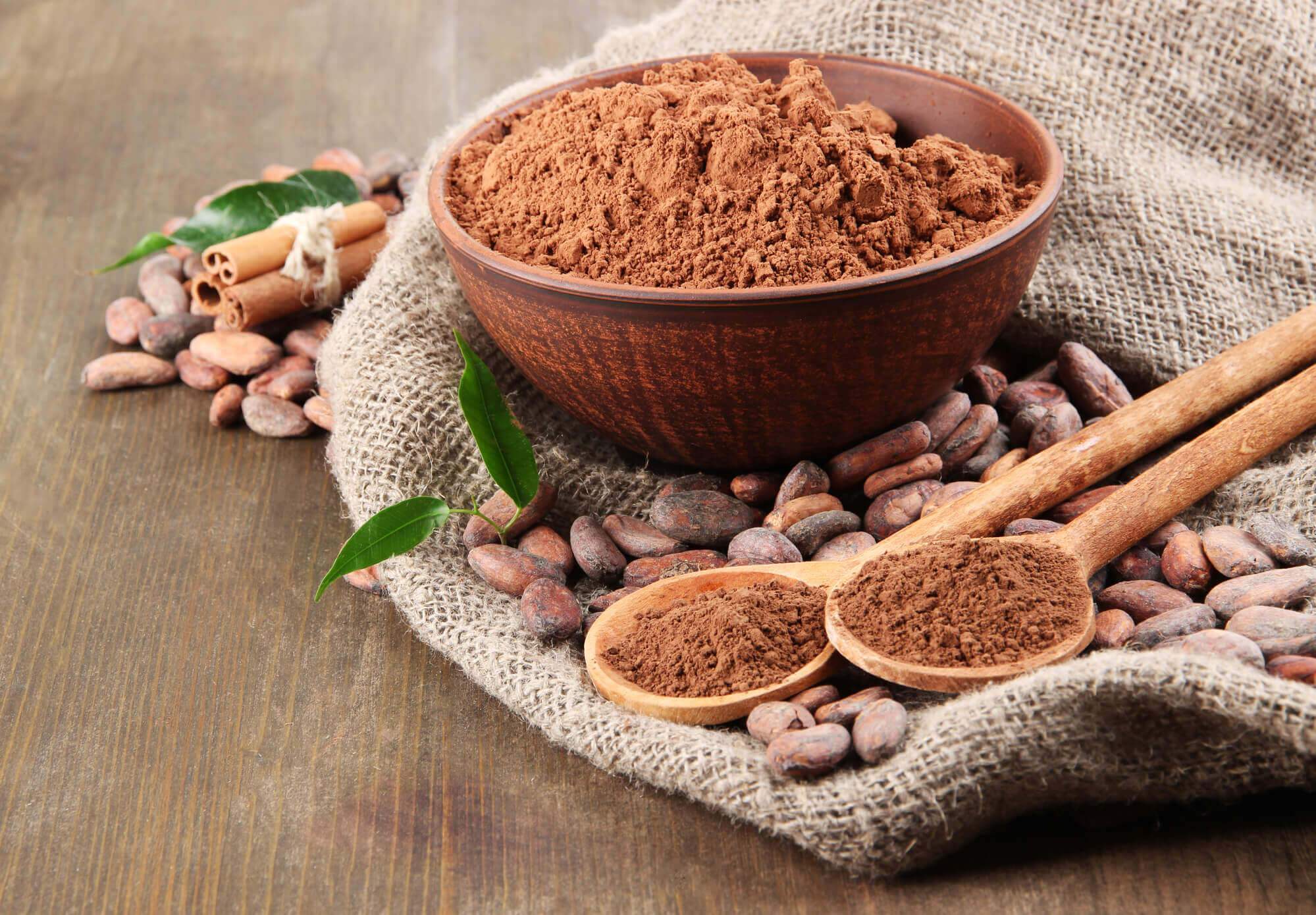
Cocoa powder is a popular ingredient that is commonly used in baking and cooking. It is made by grinding cocoa beans after they have been fermented, dried, and roasted. The result is a fine powder that is rich in flavor and aroma, and is often used to add depth and richness to a variety of dishes.

Historically, cocoa powder has been used for centuries by civilizations in Central and South America. The Aztecs and Mayans were known to have consumed cocoa in the form of a bitter drink, which they believed to have mystical and aphrodisiac properties. Later, European explorers introduced cocoa to the rest of the world, where it gained popularity as a luxury item enjoyed by the elite.

Key figures in the history of cocoa powder include the Dutch chemist Coenraad van Houten, who invented the process of separating cocoa butter from cocoa solids, resulting in a smoother and more palatable drink. His invention revolutionized the chocolate industry and paved the way for the creation of cocoa powder as we know it today.

The general impact of cocoa powder is vast, as it is not only used in food and beverage production, but also in the cosmetics and pharmaceutical industries. Cocoa powder is rich in antioxidants and has been shown to have various health benefits when consumed in moderation. However, it is important to note that cocoa powder is also high in calories and can be unhealthy when consumed in excess.

Looking towards the future, developments related to cocoa powder are likely to focus on sustainability and ethical sourcing practices. As demand for cocoa powder continues to rise, there is a growing need to address issues such as deforestation, child labor, and fair wages for cocoa farmers. Companies in the chocolate industry are increasingly investing in programs that promote social responsibility and environmental stewardship.

In conclusion, cocoa powder is a versatile and beloved ingredient that has a long and storied history. Its rich flavor and aroma have made it a staple in kitchens around the world, while its health benefits and antioxidant properties have contributed to its popularity. Moving forward, the focus on sustainability and ethical sourcing practices will be crucial in ensuring the long-term viability of cocoa powder production. Ultimately, cocoa powder remains a beloved ingredient that continues to captivate taste buds and inspire culinary creativity.

Central office:

ADDRESS: NO3 ,15 TANBURI STREET,KHUJAND,TAJIKESTAN
TEL: +992 343271661

Email: info @ rushtiduston.com